Practical executive guidance on cost reduction, vendor spend, workflow efficiency, tax opportunities, payment systems, recovery reviews, and margin improvement.
Insight Categories
In-Depth Articles
Executive Access
Total Reading

A structured approach to prioritizing profit-improvement opportunities across recurring vendor spend, workflow friction, and recovery categories.
How recurring vendor costs accumulate, where pricing drift occurs, and systematic approaches to identifying savings opportunities.
Identifying where manual processes, approval bottlenecks, and workflow friction create unnecessary operational cost.
Identifying R&D credits, hiring incentives, property tax reductions, and strategic deductions frequently left unclaimed.
Payment timing, approval bottlenecks, processing fees, and vendor terms that affect operating efficiency and cash flow.
Systematic approaches to identifying class action claims, vendor credits, and overpayments that businesses frequently miss.
Strategic approaches to margin enhancement that preserve rather than constrain growth trajectories and market positioning.
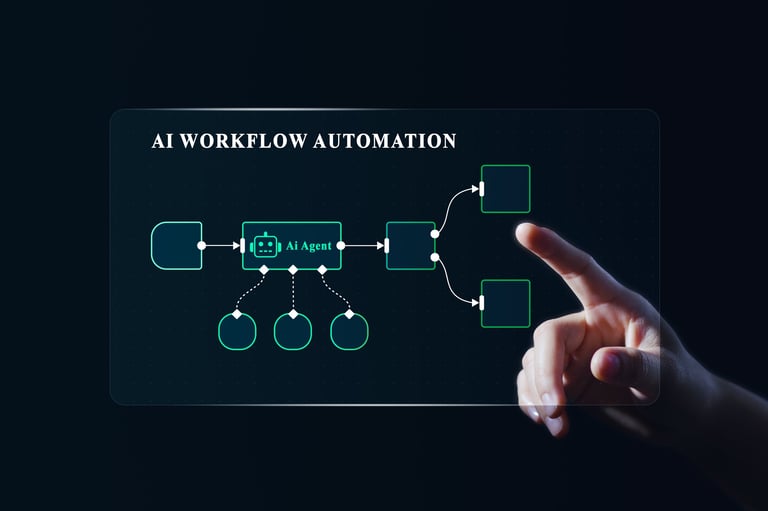
Practical applications of AI and workflow automation that reduce costs and improve throughput without disrupting core operations.
Practical executive guidance on cost reduction, vendor spend, workflow efficiency, tax opportunities, payment systems, recovery reviews, and margin improvement.
Identifying overlooked recovery categories including class action claims, unclaimed property, and vendor credits that businesses frequently miss.

Success-based property tax review strategies for owners paying over $50,000 annually in commercial assessments.

Identifying automation opportunities that reduce costs and improve throughput without disrupting core operations.


Understanding the Work Opportunity Tax Credit framework and systematic approaches to identifying qualifying hires.
How software, telecom, and carrier costs accumulate over time and how independent review can identify where pricing has drifted from current market.
Timing, positioning, and negotiation tactics for securing better terms on recurring vendor relationships.
How engineering studies reclassify building components to accelerate depreciation and create significant tax deferral.
Identifying where manual processes, approval bottlenecks, and workflow friction create unnecessary cost and how to address them systematically.
Reverse auction strategies and supplier management approaches for reducing energy expenses through pricing discipline.
Overlooked cost categories in manufacturing where independent analysis reveals significant savings opportunities.
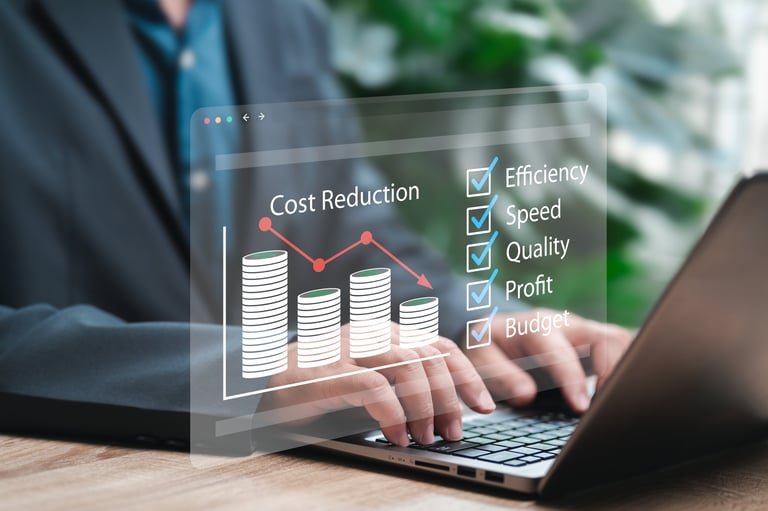
Why cost reduction often delivers better ROI than revenue growth and how to prioritize.
Identifying overlooked tax credits including R&D credits, hiring incentives, and energy credits.
How vendor pricing drift happens and how to identify pricing gaps through competitive analysis.
Strategic approach to vendor contract renegotiation including timing, positioning, and tactics.
Specialized strategies for middle-market companies that lack enterprise-scale procurement resources.
Payment timing, approval bottlenecks, processing fees, and vendor terms that affect operating efficiency and cash flow.
Strategic approaches to margin enhancement that preserve rather than constrain growth trajectories and market positioning.
Practical applications of AI and workflow automation that reduce costs and improve throughput without disrupting core operations.
Identifying denial categories, root causes, front-end registration impact, and systematic approaches to reducing preventable denials in healthcare revenue cycle management.
Identifying charge-capture leakage through structured comparison of clinical activity, documentation, and submitted claims.
Understanding credentialing, enrollment, contracting, and privileging — and how delays create unreimbursed clinical activity.
Preventative health programs, payroll configuration, and benefit design strategies that operate alongside existing carrier relationships.
Identifying duty overpayment categories, understanding protests, exclusions, drawback, and the recovery mechanisms available to importers.
Understanding importer vs. broker responsibility, binding rulings, product classification, and how to approach a classification review.
Building a complete service inventory to identify unused circuits, abandoned cloud instances, and duplicate telecom services.
Identifying unused and underutilized SaaS licenses from former employees, shadow IT, and departmental duplicate purchases.
Evaluating coverage scope, utilization measurement, vendor diligence, and enrollment communication for legal and identity protection benefits.
How strategic working capital management — beyond basic AP/AR — unlocks cash trapped in your balance sheet and funds growth.
How to interpret margin comparisons, identify structural advantages and vulnerabilities, and build a margin improvement roadmap.
How established businesses can evaluate, prioritize, and implement AI use cases that reduce costs — avoiding hype and focusing on measurable outcomes.
How mid-market employers can evaluate self-funded plan design, stop-loss, pharmacy benefits, and claims data to identify savings.
How mid-market businesses can evaluate cybersecurity spend, insurance coverage, and vendor tools — ensuring protection is proportional to actual risk.
How uncashed checks, dormant accounts, vendor credits, and forgotten deposits escheat to states — and how a structured review recovers these funds.
How structured AP recovery audits surface duplicate payments, unapplied credits, pricing errors, and tax overcharges that accumulate silently over years.
How independent benchmarking against peer pricing reveals where vendor costs have drifted above market — and how to fix it.
How strategic vendor consolidation eliminates duplicate suppliers, unlocks volume leverage, and reduces administrative overhead.
A structured framework for evaluating and prioritizing automation opportunities — identifying which workflows deliver the greatest ROI.
No articles are currently published in this category.
In-depth perspectives on vendor spend, cost reduction, tax strategies, payment efficiency, and margin improvement.
Cost Reduction
A structured approach to prioritizing profit-improvement opportunities across recurring vendor spend, workflow friction, payment processes, tax opportunities, and recovery categories. Most businesses don't lack opportunity — they lack a systematic view of where it hides.
This framework examines how recurring costs accumulate, where vendor price drift occurs, what tax credits go unclaimed, and how payment friction erodes cash flow — and provides a structured path to identify quick wins and structural improvements.
Identifying R&D credits, hiring incentives, property tax reductions, and strategic deductions frequently left unclaimed.
How recurring vendor costs rise over time, what to review before renewal, and how independent benchmarking creates practical savings opportunities.
A practical look at payment timing, approval bottlenecks, processing fees, and vendor terms that affect operating efficiency.
Periodic analysis and practical frameworks delivered to senior executives reviewing margin improvement, vendor spend, tax opportunities, payment efficiency, recovery categories, and workflow improvement.
Vendor Spend Insights
Cost drift, pricing benchmarks, and contract review approaches
Margin Improvement Frameworks
Profit leakage identification and cost reduction strategies
Tax & Recovery Opportunities
Credits, incentives, and recovery categories often missed
Operating Efficiency Lessons
Workflow improvement and automation opportunities
No spam. Unsubscribe anytime. Senior-level content only.
Whether you're reviewing margin improvement, vendor spend, payment efficiency, tax opportunities, recovery categories, or workflow inefficiencies — the frameworks are tools. The application requires context.
Share your situation. We'll provide an honest assessment of your options and practical next steps — no obligation.
Questions before scheduling?