Resources / Cost Reduction
Cost Reduction 5 min read

Energy Cost Optimization: Strategic Utility Management

Energy represents one of the largest operating expense categories for many businesses — yet most companies accept utility rates as fixed, rarely applying the same procurement discipline to energy that they apply to other significant spend categories.

Strategic energy cost optimization uses competitive supplier reverse auctions, demand-side management, and rate structure analysis to reduce energy expense — typically delivering 10% to 25% savings without operational disruption.
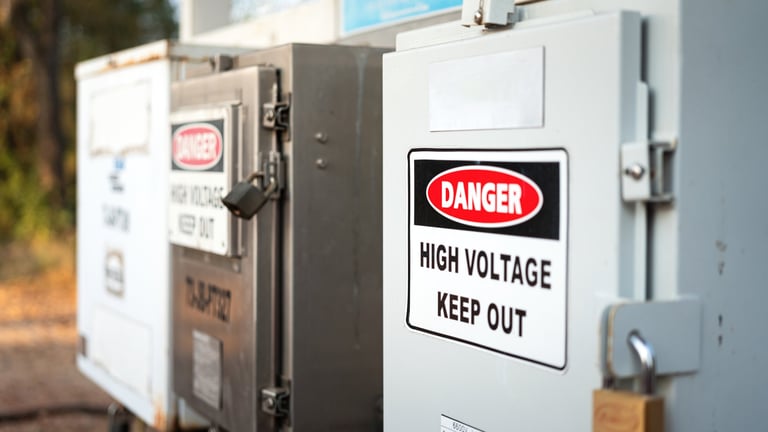
An electricity junction box and circuit panel with danger high voltage sign

Why Businesses Overpay for Energy

Energy overpayment typically isn't a single large error — it's the cumulative effect of multiple smaller factors that compound over time. Blackspire's review framework examines each:

Default Utility Rate Assignment

Most businesses remain on default utility rate schedules that are not optimized for their actual consumption patterns. Rate analysis alone can reveal savings without changing suppliers.

Supplier Pricing Inertia

Energy supply contracts often auto-renew at uncompetitive rates. Without periodic market testing, businesses effectively accept whatever price the current supplier offers.

Demand Charge Mismanagement

Commercial and industrial customers pay demand charges based on peak usage. Without active management of when and how energy is consumed, demand charges can represent 30-70% of the bill.

The Reverse Auction Model

Blackspire uses a competitive reverse auction model for energy procurement. Rather than negotiating with a single supplier or accepting broker recommendations, the reverse auction creates true price competition among multiple energy suppliers bidding in real time.

This model eliminates the information asymmetry that typically favors suppliers. When suppliers know they are competing against others in a transparent bidding process, the resulting pricing is consistently more favorable than bilateral negotiation.

The reverse auction is supported by consumption analysis and load profiling that ensures suppliers are bidding on accurate, detailed usage data — so the winning price reflects real demand characteristics, not conservative assumptions.

Beyond Price: The Full Energy Cost Picture

Effective energy cost optimization addresses more than per-kWh pricing. Blackspire's framework examines the complete cost structure:

Demand Charge Optimization

Analyzing load profiles to identify demand charge reduction opportunities through load shifting and peak management strategies.

Rate Structure Analysis

Reviewing whether the current rate schedule matches actual consumption patterns — including time-of-use, interruptible, and other specialized rates.

Renewable Energy Credits

Evaluating REC procurement as part of the overall energy strategy, particularly for organizations with ESG commitments.

Tax & Incentive Capture

Identifying available state and local tax exemptions, economic development energy incentives, and utility-sponsored efficiency rebates.

Who Should Evaluate Energy Optimization

Energy cost optimization is most relevant for organizations that meet several of these criteria:

Annual energy spend exceeding $50,000 across all locations
Operations in deregulated energy markets (where supplier choice exists)
Multiple locations with varied rate structures
Manufacturing, cold storage, data center, or other energy-intensive operations
Energy contracts approaching renewal — or that have auto-renewed for multiple cycles

Discover What Your Energy Should Cost

A brief advisory conversation can clarify whether your energy spend is a candidate for optimization — and what level of savings a reverse auction or rate analysis might deliver.